Customers get a different answer at every branch.
The training exists. The service still depends on who is working. We look at expectations, practice and the decisions staff are allowed to make.
Customer experience & frontline teamsRichard Mayne · Singapore & Southeast Asia
I'm Richard Mayne, CCXP certified. I help retailers, self storage operators and service businesses make the customer experience they promise the one customers actually get.
After 25 years in retail and multisite operations, I start with the people doing the work and the things getting in their way.
The first conversation is free. You speak with me.
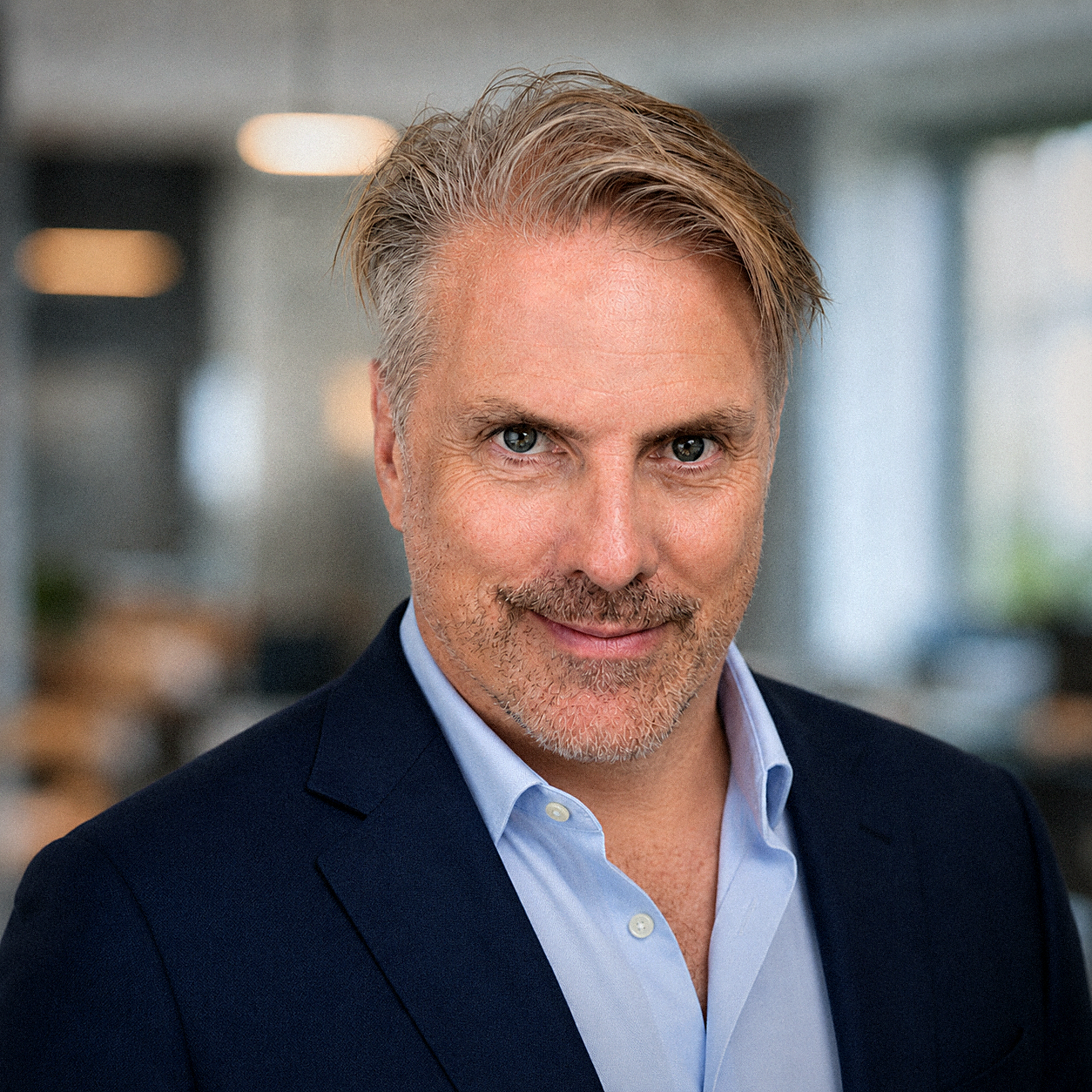
My operating background.
Previous employers and leadership roles.
Does this sound familiar?
A busy team can live with the same frustrations for months. I work with you to understand what is happening and decide what to change first.
The training exists. The service still depends on who is working. We look at expectations, practice and the decisions staff are allowed to make.
Customer experience & frontline teamsReports, spreadsheets and message threads take time to assemble. We work out what managers actually need to know, and how they can get it.
Reporting & operating visibilityAn unanswered enquiry, confusing product information or a missed follow up can interrupt the buying journey. We examine the steps your customer takes.
Stores, online shopping & follow upA question I ask about service
A customer has a problem the script doesn't cover. Does the person on shift know what they can decide? Who can help? Will someone back a reasonable decision tomorrow?
That is where I want to understand your business: in the moments when your team has to make it work.
How I approach customer experienceTake a moment to check
Five questions about ownership, feedback, consistency, the customer journey and commercial results.
About 90 seconds. No email required. This is a self assessment to start a conversation, not a formal audit or benchmark.
Explore the Learning HubThe interactive check needs JavaScript. You can still visit the Learning Hub or discuss your customer experience with Richard.
Question 1 of 5
Your answers stay on this page. The WhatsApp button opens a draft with your score and category; you choose whether to send it.
Working together
Sales conversations, service recovery, branch standards and manager capability. I help turn the customer experience you want into something the team can deliver.
Explore the workA retail view of your online store: how customers find a product, decide to buy, get help and come back. We start by examining where the experience needs attention.
For businesses using ShopifyLess repetitive administration and clearer information. Depending on the problem, that could mean a reporting workflow, an incident tracker or an assistant for routine enquiries.
Explore practical automationFor self storage operators
A customer needs help choosing a unit. A renewal prompts a difficult conversation. A site manager is trying to keep the team, the accounts and the building running well.
I bring direct self storage operating experience to those questions. We can examine how your sites handle enquiries, retain customers and keep everyday work under control.
My operations remit as Head of Operations at StorHub Singapore, to July 2026.
Previous employment, separate from Mayne & Loh consulting engagements.
Review response times, qualification, unit recommendations, site visits and follow up. Identify where the sales conversation stalls.
Examine renewal communication, pricing explanations and service recovery, alongside what customers tell you when they leave.
Set clear sales and service expectations, practise difficult conversations and equip site managers to coach their teams.
Review overdue account follow up, inspections, incidents and outstanding actions, with clear ownership and escalation.
Bring occupancy, enquiry conversion, retention and site performance into a management view that supports decisions.
Already using Shopify?
I bring a retailer's perspective to the whole journey: the questions a shopper asks, the confidence they need to buy and the service they receive afterwards.
We can review what needs improving, then agree the right mix of content, process, automation and specialist support.
Full detail, pricing path and FAQ on the Shopify page.
"Richard was able to sit down with me and go right through my business, pointing out areas where I can grow and helping me understand every aspect affecting my top and bottom line."Mareesa Richards
Business owner · Catering · Melbourne
Historical client feedback. Richard's previous operating roles are described separately on the About Richard page.
What happens when you get in touch?
We discuss the problem, the people involved and what you have already tried. Then we decide whether there is a useful next step.
Free, with no obligation.
We examine the work, the information and the customer journey. You receive priorities, a proposed scope and measures for judging the result.
Typically 1 to 2 weeks. Scope and fee agreed first.
Put the agreed changes into practice, test them and make sure someone owns the process. Training and handover are part of the work.
Focused builds typically 4 to 6 weeks, from S$15,000. Exact scope and price agreed before starting.
Richard leads the diagnosis and direction. Specialists support defined parts of delivery where needed. Smaller reviews and Shopify work are scoped separately.
Read how I workA few practical questions
Yes. I lead the first conversation, diagnosis and direction of the engagement. Where a project needs specialist development, design or other support, we agree who does what.
We start with what you already use. The diagnostic helps establish whether the issue is the system, the process around it or the information people need to do the job.
Yes. It is a defined piece of work with an agreed fee. Its recommendation may be to implement, solve the issue internally or leave a larger project for later.
Before a build, we agree the access required, who owns the deliverables and who will support them. Platform subscriptions, licensing and optional support are identified in the scope.
Let's start with your business
Tell me what is happening. We can work out whether a conversation, a review or a more focused piece of work makes sense.
Telephone: +65 8453 7610
WhatsApp: +65 8463 5482
Direct enquiries. Replies may not be immediate.

Have a question about your business? Message Richard directly on WhatsApp.
Message Richard